

 The Wisconsin Restaurant Association supports the current administrative rule regarding the September 1 school start date in Wisconsin (Ch. PI 27 regarding the commencement of the school term prior to September 1) and opposes the current proposal to change it.
There are two major reasons why a September 1 school start date is important to restaurants and all the other small businesses that rely on tourism visitors:
The Wisconsin Restaurant Association advocated for the current September 1 K-12 school start date. This advocacy effort began in the mid 1990’s and culminated in 2000 when the current statute mandating a September 1 start date went into effect. The September 1 date was a compromise between the tourism industry and the legislature. The agreed upon statute further gives parameters of when a school district can commence the school term prior to September 1 for extraordinary reasons. This section of statute was intended to give some leeway for issues out of the school district’s control that would interfere with a September 1 start. The resulting rule promulgated by the Department of Public Instruction gives districts the ability to plan for or deal with these extraordinary circumstances that occasionally occur. All the rules have one important thing in common – they apply to circumstances that effect all the children in the school district, or in the case if an international baccalaureate program, the large majority of the entire high school, but not the rest of the school district. School districts and boards currently have the ability to design a school calendar to meet the needs of their students and staff. Accommodation for students with special circumstances can be provided, without requiring the entire student body to return to school early. Changes to PI 27 are not necessary at this time to address local district needs. Current administrative rules give local school boards and districts great flexibility in setting their school calendar. Selecting the number and frequency of breaks, staff development days, inclement weather makeup days, and the last day of school are all under the control of school boards. Wisconsin no longer requires 180 days of instruction, giving districts even more flexibility on length of school days, allowing them to adjust schedules to accommodate bussing and other circumstances that come up throughout the school year. Currently school boards and districts have every tool necessary to change the length of their summer breaks or to add more frequent breaks throughout the school year. The date the school year ends is under their control. Whenever there have been legislative proposals to remove or change the September 1 start date, many teachers have called our association to tell us they support keeping the September 1 start date. Many of them cannot take their own summer vacations until late in August, due to meeting their continuing education requirements or their own children’s summer sports leagues. Some of these teachers also state they have summer jobs to supplement their income and need those last weeks in August to support their families. When they call us to tell us of their support for keeping the date, we ask them why they don’t talk to their administrators about their support. Their reply is that they will fall out of favor with the administration and harm their employment. Restaurants are the cornerstones of their communities. They not only provide food - they support jobs and provide revenue in the form of local taxes and fees. In most parts of the state, they rely on summer tourism to keep their businesses viable. Without tourism traffic, they do not have the wherewithal to support their communities, including schools, and remain in business. PROGRESS UPDATE April 1 WRA has worked for many years to protect a consistent September 1 K-12 school start date in Wisconsin to "Save our Summers" - so restaurants can take advantage of late summer tourist spending and to keep valuable teenagers and teachers available to work later into August, when visitor traffic is the highest. Unfortunately, the Wisconsin Department of Public Instruction (DPI) has taken the next step in its effort to gut the uniform school start date in Wisconsin, by holding another hearing on March 25 on a massive rule change. The WRA is opposing the Department's proposed changes to the rules. School districts already have the tools necessary to schedule more breaks in the school calendar or to extend the school year into June to mitigate summer learning loss and boost academic achievement. Because June weather is not as desirable for vacationing in Wisconsin, keeping kids in school in June is not as harmful to the tourism economy as starting in mid-August. Plus, most schools in Wisconsin do not have air conditioning - June is consistently cooler weather-wise compared to August. Once the Department responds to all of the testimony submitted, the proposed rule is sent to Governor Evers for review. WRA and other tourism associations will meet with the Governor's office to discuss the harmful changes this rule proposes, prior to his decision to approve or deny. Look to this page for a call to action to share your concern with the Governor. Questions about Wisconsin’s school start date or WRA’s position? Email Susan Quam.
0 Comments
Support is Available for Many Northern Wisconsin Businesses Affected By Lack of Winter Snow2/20/2024  Businesses in areas designated by the federal Small Business Administration can apply for Economic Injury Disaster Loans
Gov. Tony Evers and U.S. Sen. Tammy Baldwin announced earlier this week that many Wisconsin businesses may be eligible for a federal disaster loan program if they have suffered losses due to this year’s unusually mild winter, which lacked Wisconsin’s typical snowfall in many areas of the state. The US Small Business Administration (SBA) has confirmed that they will consider business loss from recent low snowfalls over the winter months to be related to the drought and eligible for assistance. The lack of snow has impacted travel and recreation businesses that depend on it for activities such as downhill and cross-country skiing, snowshoeing, and snowmobiling. Many counties in the state are already covered by a pre-existing disaster designation for drought from the U.S. Department of Agriculture. This designation allows businesses in counties identified as drought disaster areas to be eligible for emergency loans to offset their business losses in those counties if their business loss is related to the drought. Impacted businesses in counties with a drought declaration can apply for the U.S. SBA Economic Impact Disaster Loans (EIDL). The loans are designed to help businesses get through emergency situations that have impacted their economic well-being. Under the EIDL program, businesses can borrow up to $2 million to cover their actual losses. Businesses pay no interest on the loan for the first year and a maximum rate of four percent for the rest of the loan period. In order to take advantage of the program, businesses must apply by the application deadline for their county. The list of county deadlines and more information is available by clicking here. WRA has worked for many years to secure and protect a consistent K-12 school start date in Wisconsin to "Save our Summers" so restaurants can take advantage of late summer tourist spending and to keep valuable teen workers available later into August, when visitor traffic is the highest.
School districts currently have to commence classes on September 1 or later, unless they have an "extraordinary circumstance" such as building construction or weather-related building damage. Schools that are consistently not meeting state education standards may also begin early, so they can add additional instruction time - there are only a few schools in the state where this applies. State law and administrative rule are specifically restricted in order to ensure a uniform school start statewide. In February, 2024, the WRA submitted testimony opposing the Department of Public Instruction's proposed changes to state administrative rule to increase the number of exceptions that allow school districts to begin earlier in August. Some of these reasons include adding additional breaks to the school year or mitigating summer learning loss. Click here to read the WRA's testimony. The WRA is opposing the Department's proposed changes to the rules. School districts already have the tools necessary to schedule more breaks in the school calendar or to extend the school year into June to mitigate summer learning loss. Because June weather is not as desirable for vacationing in Wisconsin, keeping kids in school in June is not as harmful to the tourism economy as starting in mid-August. Plus, most schools in Wisconsin do not have air conditioning - June is consistently cooler weather-wise compared to August. Questions? Contact Susan Quam 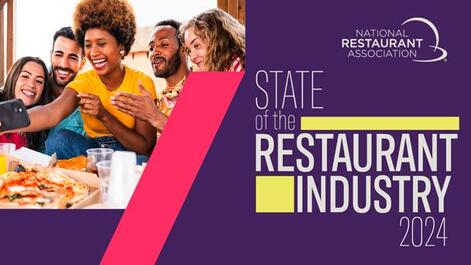 Restaurant optimism fueled by continued employment growth, technology advancements and expanded consumer use of restaurant apps, off-premises and loyalty programs
Restaurants sales are forecast to exceed $1.1 trillion in sales this year, marking a new milestone for the industry that will employ over 15.7 million people in the United States by the end of 2024. This is all according to the National Restaurant Association 2024 State of the Restaurant Industry Report. Key findings from this year’s report include:
Operators and Consumers Alike See Value in Technology and Special Deals and Promotions Consumers’ affinity for technology in restaurants varies and as a result, operators are strategically deciding how to incorporate technology into the experience. For fullservice restaurants, nearly half (46 percent) of adults think technology has a positive impact, and this number weighs heavily towards younger consumers (64 percent of Gen Z and 66 percent of Millennials). Similarly, this group is more likely to want more technology options according to the research. These preferences can help operators make informed decisions on where and how to invest. In 2023, just under half (48 percent) of operators made technology investments to enhance the customer experience but 60 percent plan to make an investment in 2024. The areas where consumers say technology would have the most positive impact on their personal experience include options that make ordering and paying easier and faster. If consumers are somewhat split on technology, they can agree on the value of a special deal or discount, with 7 in 10 adults saying they often look for a daily special or discount. Customers (85 percent) are more flexible about when they dine if it comes with a deal and 84 percent said they’d take advantage of deals offered for dining at off-peak times. Further, 75 percent of adults would opt for smaller-sized portions for a lower price—a trend that can help restaurants curb food waste and improve profits. To further fuel customer retention, the data suggests focusing on loyalty and rewards programs. Customers prefer to see this type of program on a smartphone app, further enforcing the need for technological innovation and creating additional touchpoints between customers and restaurants. Restaurant Employment to Reach 15.7 Million in 2024 The restaurant and foodservice industry is projected to add 200,000 jobs in 2024, bringing total industry employment to 15.7 million. Between 2024 and 2032, the industry is projected to add 150,000 jobs per year on average, with total staffing levels reaching 16.9 million by 2032. Despite this expansion, 45 percent of operators say their restaurant doesn’t have enough employees to support existing customer demand. Operators looking for the necessary support are turning to the gig economy and technology. One in four operators say using gig workers to fill in staffing will become more common in their segment in 2024 and nearly half (47 percent) of operators say the use of technology and automation to help with the current labor shortage will become more common. Food Cost and Availability Influence Menus the Most If consumers notice menu changes on a more frequent basis, it’s often the result of increased food costs. In the past year, operators report needing to find new suppliers, removing items from their menus, adjusting portion sizes or substituting lower cost items all in response to elevated food prices. The availability of food items impacted menu composition as well, with more than three quarters (77 percent) of operators saying their restaurant experienced supply delays or shortages of key food or beverage items in 2023. These changes will present a challenge for operators, especially with most adults (86 percent) saying they like ample choices on menus. Further directing menu choices are social media trends. As the National Restaurant Association’s 2024 What’s Hot Culinary Forecast shows, savvy operators are turning to TikTok and other social media platforms to be inspired and to fire up viral trends. Operators will need to be strategic in how they balance thoughtfully streamlined, food-cost-effective menus and enough variety to satisfy demand and lead the latest trends. For those offering it, off-premises remains a key area of opportunity, and customers agree, with a vast majority (88 percent) reporting being satisfied with the variety of local food options for takeout and delivery. Customers are viewing take-out in new ways, with two thirds (67 percent) of adults saying they’d be interested in subscriptions that offer a specified number of meals each month and half (53 percent) saying they’re open to supplementing home-cooked meals with restaurant-prepared items. “This is an historic and exciting year for the restaurant industry,” added Hudson Riehle, Senior Vice President of the Research and Knowledge Group for the National Restaurant Association. “While challenges remain—including inflation, recruitment, higher operating costs and profitability—restaurant operators will continue to innovate and evolve to meet customer demands.” The 2024 State of the Restaurant Industry report is free to Wisconsin Restaurant Association restaurateur members ($349 for non-members). WRA members wishing to access the report, need to log into the National Restaurant Association Store before downloading the report. There’s a login link in the bar at the top. If you experience difficulties accessing the report for free, email [email protected] to request to be linked to your company's membership record. 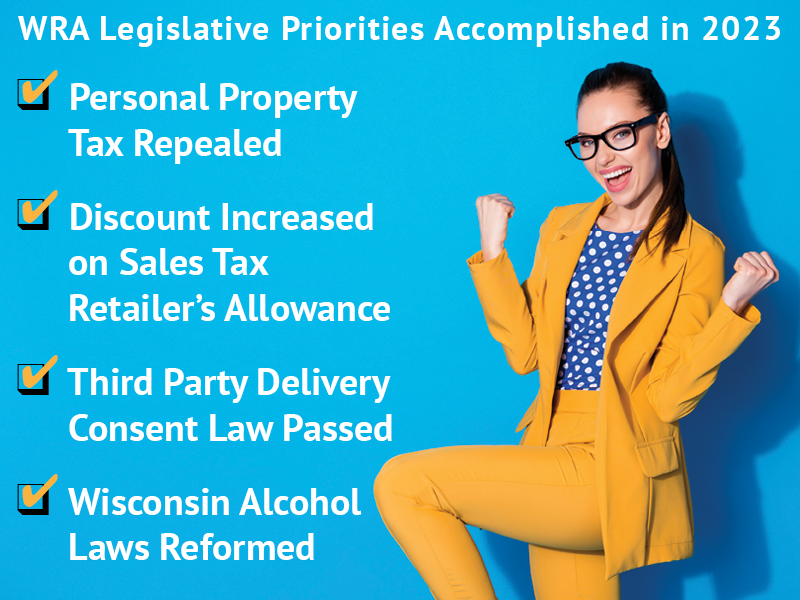 In case you haven’t heard, there have been some big legislative wins for restaurants that you need to know about.
Your WRA advocacy team lobbied for these 4 new laws that positively impact restaurants. We have all the details on the new laws including the dates they go into effect and what it means for restaurants. The Federal Trade Commission (FTC) has extended the comment deadline regarding their sweeping proposal that would ban service fees and surcharges at restaurants of all sizes. Restaurant operators will have until February 7, 2024 to provide input.
As the FTC’s proposed rule is written it would prevent operators from including common, accepted surcharges on a customer’s bill. It would even ban delivery, large party, and credit card processing surcharges. Instead, the proposed rule would force operators to overhaul menu prices so that the listed price is the total price a customer must pay. Higher menu prices will reduce customer traffic, reducing income for restaurant employees and operators. The FTC admits its plan will cost restaurant operators $3.5 billion to implement. The National Restaurant Association will lead the industry effort in Washington to change this rule, but the FTC needs to hear your voice and your perspective. Please take two minutes to help us fight this unaffordable regulatory overreach by sharing your views here. To learn more, see the National Restaurant Association's new fact sheet on the FTC proposal and view the recording of their webinar on how the proposal would negatively effect restaurants.  Governor Signs Two of WRA's High Priority Bills
The WRA's Third Party Delivery Consent bill (Act 75), and the Omnibus Alcohol Bill (Act 73) were signed by Governor Evers on Wednesday, December 6. Both of these bills have been a high priority for WRA in 2023. Third Party Delivery Consent Wisconsin is the 14th state to enact measures relating to how Third Party Delivery Companies interact with restaurants. At the request of the WRA, Senator Pat Testin and Representative Alex Dallman introduced this new law to curb third party delivery company business practices that emerged during the pandemic that are harmful and costly to restaurants. This law ensures:
This law goes into effect on July 1, 2024. WRA will work with the Consumer Protection Division at DATCP as it enacts the law and creates resources on its website. Alcohol Laws Reform Act 73 (the Omnibus Alcohol Bill) brings many needed updates to Wisconsin's alcohol statutes. It clarifies what is now considered policy interpretations, makes some common industry practices legal and provides a more prominent place for alcohol law interpretation and enforcement at the state agency level. Here are the main provisions of the bill that triggered WRA support:
 This year’s What’s Hot Culinary Forecast draws on the expertise of more than 1,500 culinary professionals who were asked to rank 120 items in 7 categories:
The What’s Hot Culinary Forecast presents the top 10 Hot Trends overall, the top trends in each category, trends the pros see as emerging in each category and macro trends shaping menus, operations and marketing. Is your menu trending? Download your free copy of the report today!  It is the time of year we all count on to promote our businesses, particularly our spirits, wine, and beer sales. As people start feeling more festive, they want to consume, and we want to be the first to offer them a drink. As we prepare for the Holiday rush this year, let’s not forget that we want to keep are guests safe and prevent over-service. When you serve alcohol, you know the risks. Risk lawsuits if you over-serve. Risk lives if you serve a drunk driver. Risk your livelihood if you sell to a minor.
That’s why there's ServSafe Alcohol training which focuses on important issues like gauging intoxication levels, measuring drinks, checking proper identification, dealing with difficult situations and more. With ServSafe Alcohol training, your team can let the good times roll while practicing responsible alcohol service. |
Archive
July 2024
Categories |

 RSS Feed
|
©Copyright Wisconsin Restaurant Association. All Rights Reserved.
2801 Fish Hatchery Rd | Madison, WI 53713 Tel: 608.270.9950 | [email protected] | sitemap | terms | privacy |

|